Winter Plumbing Tips to Prevent Pipe Freezing Jul 16, 2026
Firstly, let’s discuss why pipes freeze. During extremely cold weather, unprotected water pipes can freeze. As water turns to ice, it expands, increasing pressure within the pipes which can lead to ruptures. The aftermath isn’t just limited to replacing pipes; water damage can affect floors, walls, and personal belongings, intensifying the cost of repairs.
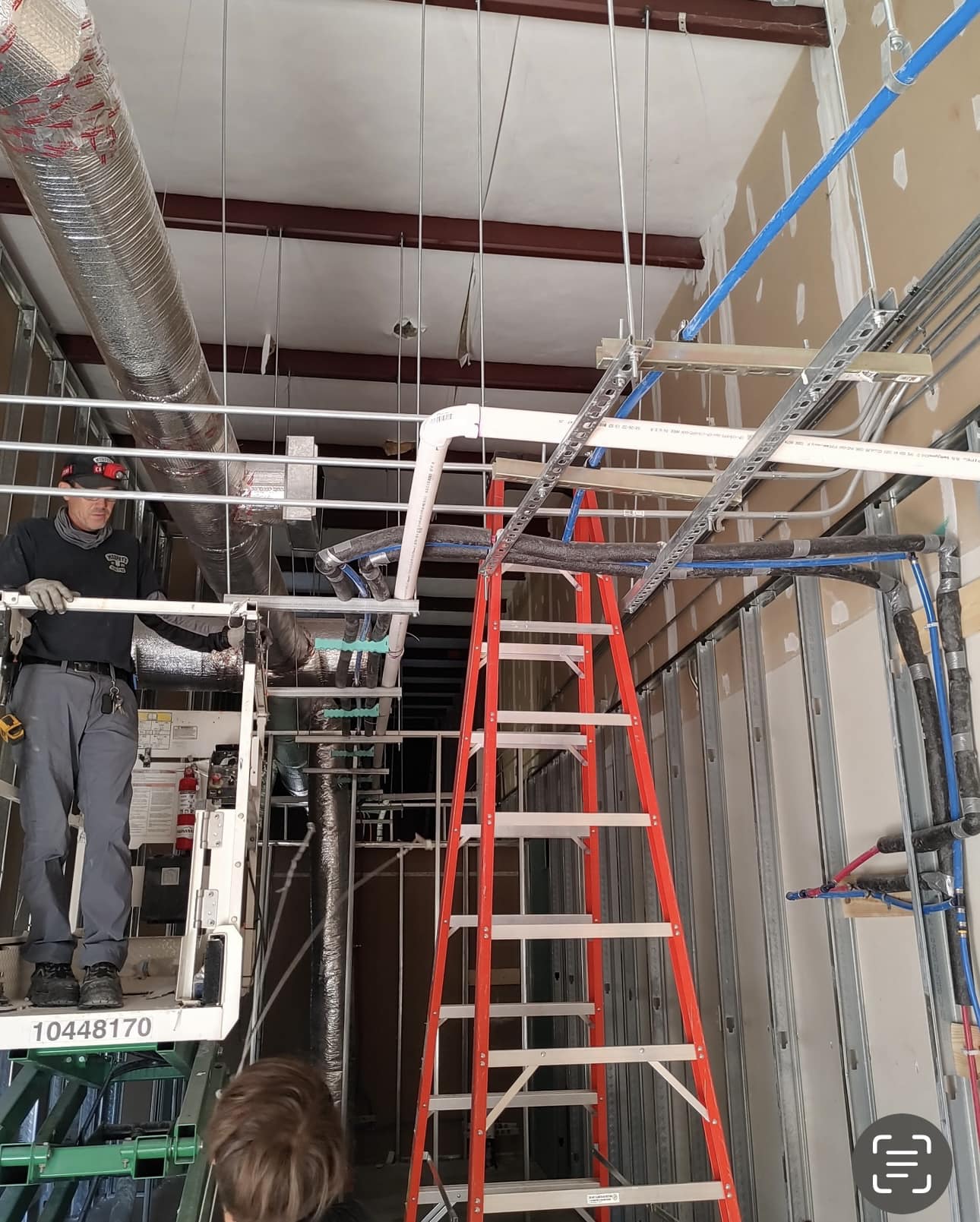
The first key tip for preventing pipes from freezing is insulation. Insulating your pipes is crucial, especially those located in unheated areas like basements, attics, or outside walls. Pipe insulation sleeves or wrapping can help maintain a temperature above freezing. For added protection, consider using heat tape or thermostatically controlled heat cables specifically designed for pipe warming. Ensure these products are installed according to the manufacturer's instructions to avoid safety hazards.
Secondly, keeping your home warm is paramount. Ensure that your thermostat is set at a consistent temperature, even when you're away. During particularly cold nights, consider allowing faucets to drip slightly. This keeps water moving through the pipes and relieves pressure, reducing the chance of freezing. A steady trickle can prevent the water from stagnating and turning into ice.
Thirdly, sealing leaks and gaps can significantly impact your home's insulation. Cold air can seep through gaps around doors, windows, and ventilation ducts, which can directly affect any exposed pipes. Use caulk or spray foam to seal these leaks and ensure drafts aren't finding their way into your home. A well-insulated house helps maintain a stable temperature, safeguarding the pipes against freezing conditions.
Another crucial tip is to open cabinet doors under sinks. This practice allows warm air to circulate around the plumbing, especially if the sinks are located against exterior walls. This little change in your daily routine can make a big difference in protecting your pipes.
Next, for those who reside in regions that experience extended periods of freezing temperatures, it may be worthwhile to disconnect and store garden hoses. Shut off water to exterior hose bibs and drain the lines to avoid ice formation. Consider installing frost-free hose bibs for an additional level of protection.
Finally, one of the most effective ways to avoid frozen pipes is to schedule an inspection with professionals like Ramco Plumbing before the cold weather hits. A plumbing expert can assess your home’s specific vulnerabilities and suggest tailored solutions, ensuring your system is prepared for the colder months.
In conclusion, winterizing your home’s plumbing is a simple but crucial task in preventing the costly damage associated with frozen pipes. With the right preparation and vigilance, homeowners can avoid the stress and expense of plumbing disasters. Remember, prevention is not only more effective than a cure; it is also often far less costly. For more advice or services, do not hesitate to reach out to Ramco Plumbing—we’re here to keep your home’s plumbing safe and operational throughout the winter.
/filters:no_upscale()/filters:format(webp)/media/dbcdb99f-843a-44f2-944f-5159148052f9.jpeg)
/filters:no_upscale()/filters:format(webp)/media/6b8feeda-a805-4391-9d42-682dfb3be6e6.jpeg)